
Site Prep
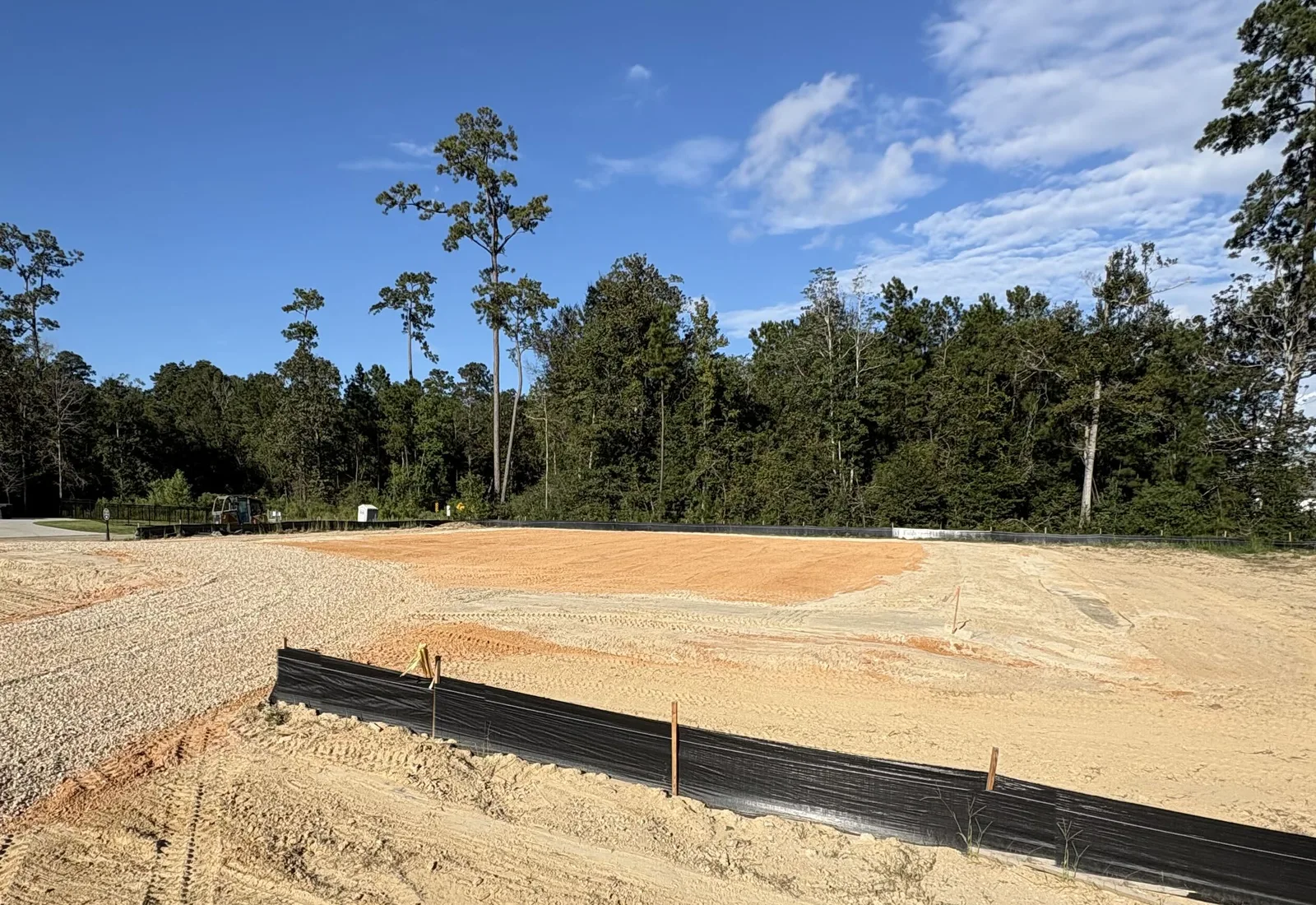
We take a lot from raw ground to a pad you can build on. Fill placed and compacted in lifts, rough grade set, and access roughed in for the trucks.
Learn More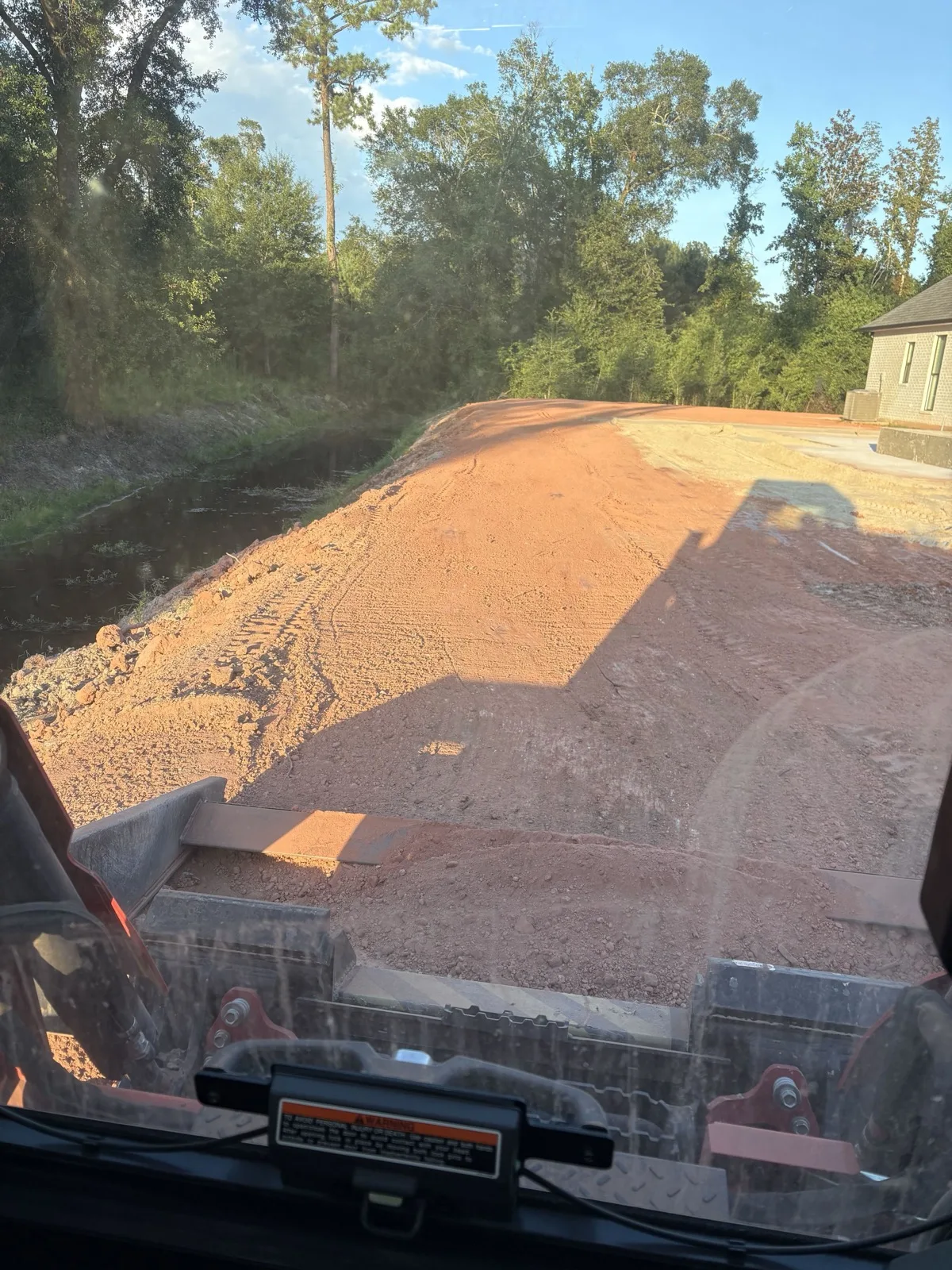
House pads are raised blocks of packed fill dirt that new homes and buildings sit on. We build them out of Hammond, within a 50-mile radius, as one part of our site preparation work. On a slab house, we build the pad and your concrete crew pours the slab on top. A mobile home rests on rows of piers, and each one needs firm ground under it.
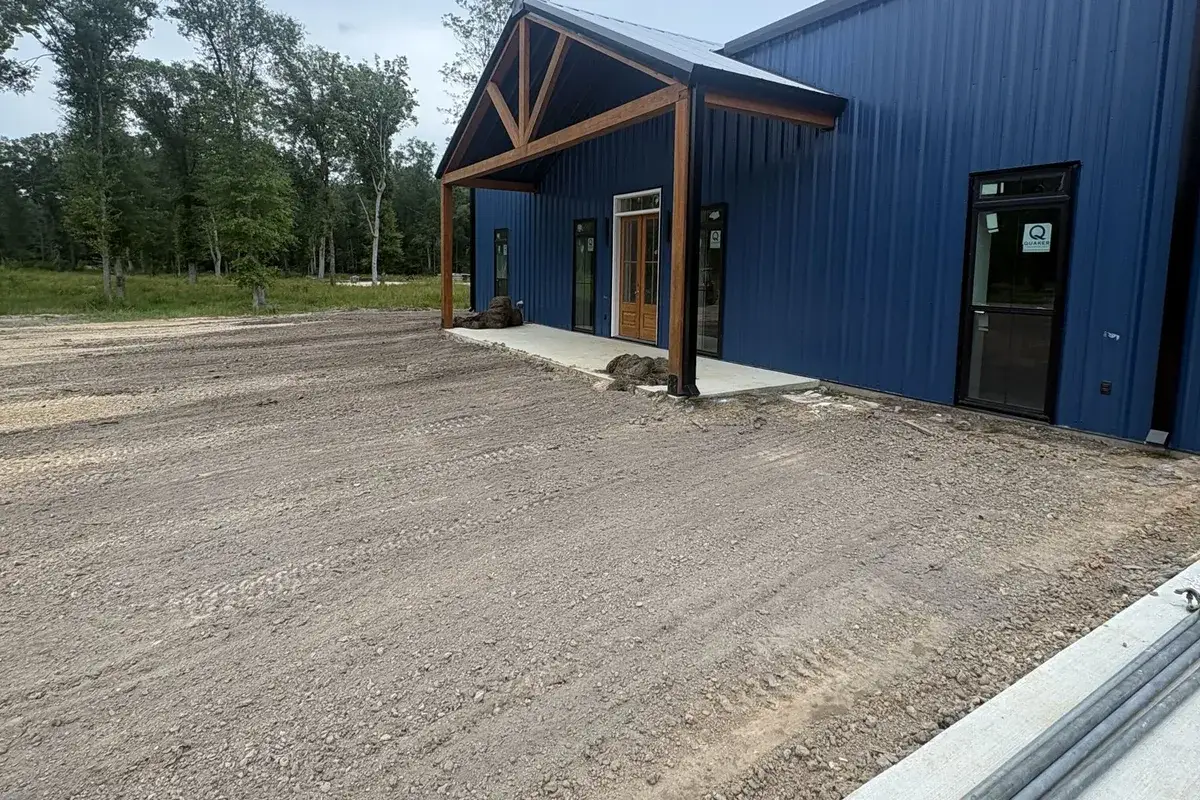
Besides house pads, we build mobile home dirt pads and building pads for shops, barns and commercial jobs. Around Hammond, a pad's main job is lifting the floor up out of the water. Call or text (985) 500-4145 for a free estimate.
Tell us about the job and the ground. We will get right back to you.
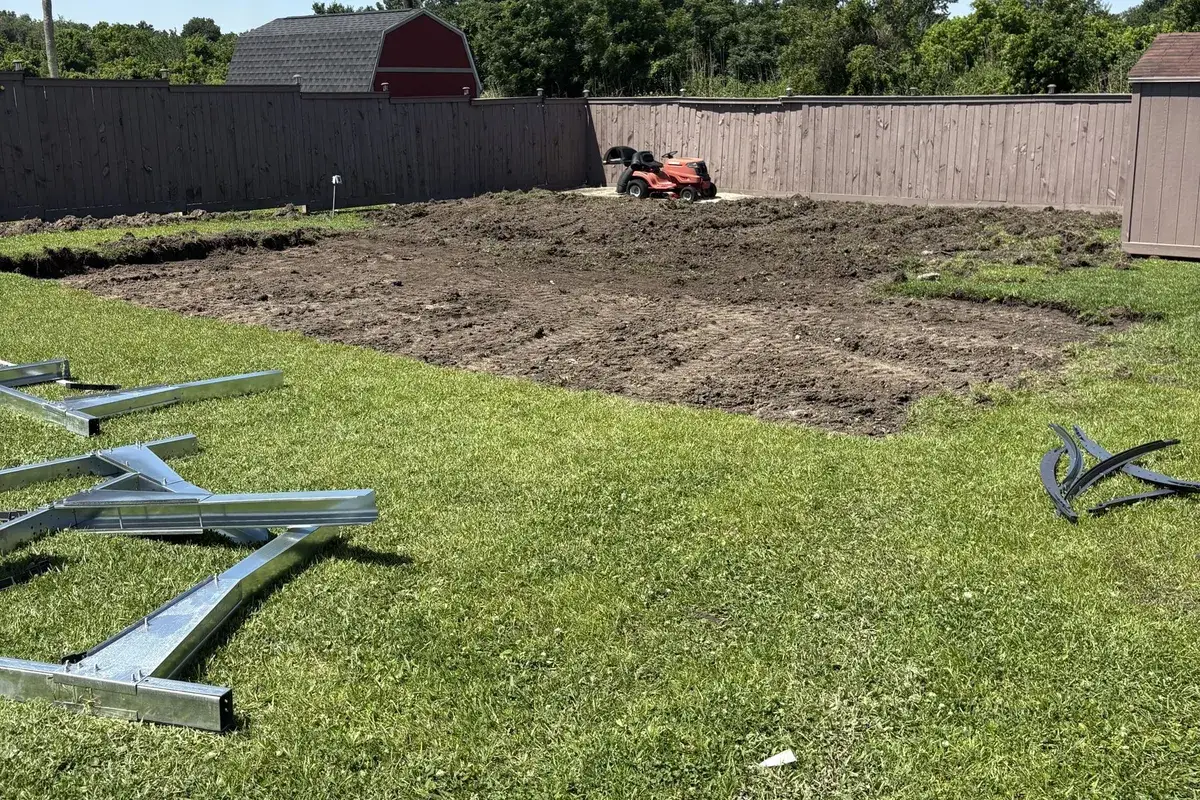
Every pad starts on the footprint, the ground the building will cover. Grass, roots and topsoil come off first, since organic material breaks down and lets the dirt above it sink. Soft, wet ground gets dug out until the machine reaches dirt that holds. A wooded lot needs land clearing before any of this, and an old slab in the way needs concrete removal.
Then the pad goes up in lifts of fill dirt, which we sell and haul in ourselves. A lift is one thin layer. Our machines pack each layer hard before another goes down. That is how a pad holds up a slab or piers instead of sinking under them.
Your builder gives us the slab size, and the pad runs out past it on every side. The top gets a slight crown, high in the middle, so rain sheds to the edges. The sides slope down into the yard so water keeps moving away from the pad. Shaping the rest of the yard to drain is land grading, which we handle too.
Rain sets the pace on pad work here. Hammond averages 64.2 inches of rain a year, spread over about 116 days. Soaked fill will not pack tight, so we wait for the ground to dry out. A rainy stretch can push the finish date back.
Pad height is never our number to pick. It comes from your plans, your surveyor or the parish. In a mapped flood zone, parish or town rules set a minimum floor height above the base flood elevation. A surveyor finds where that height falls on your lot, and the pad goes up to meet it.
LSU AgCenter gives the base flood a 1 in a hundred chance of being matched or topped in any year. The base flood elevation is how high that flood's water would rise. On the flood map, the high-risk zones start with the letter A or V. In those zones, the federal minimum puts a new home's lowest floor at or above the base flood elevation.
In A zones, LSU AgCenter says a building may meet its elevation requirement by sitting on compacted fill. That is where a house pad comes in on a low lot. Some Louisiana communities also require freeboard, extra height above the base flood elevation. Common values run 12 or 18 inches, but your parish or town sets the number for your lot.
If two flood zones touch the building, the parish goes by the more hazardous one. Its current flood maps took effect July 22, 2010. The parish holds an elevation certificate for all new development, which puts the floor height on record.
For mobile home dirt pads, the federal rule book is HUD's installation standard for manufactured homes. Under it, the foundation has to sit on firm, undisturbed soil or on compacted fill. That fill must be compacted to at least 90 percent of its maximum relative density. The rule says this helps prevent settling or sagging.
All organic material, such as grass, roots, twigs and wood scraps, comes out where the footings go. Then the site gets graded to move surface water away and prevent water build-up under the home. The ground must slope at least one-half inch per foot away from the foundation for the first ten feet. Where a lot will not allow that slope, we cut swales to carry the water away instead.
HUD also says the soil type and bearing capacity must be determined before the foundation is built and anchored. Ground that looks like peat, organic clay or uncompacted fill calls for a registered geologist, engineer or architect. That person makes the call on the soil, and we build to it.
Free, no-obligation estimates across a 50-mile radius of Hammond.
(985) 500-4145From the first call or text to the finished ground, here is how it goes.
Reach us at (985) 500-4145. Tell us the address and what the ground needs. A photo or two helps us size the job.
We drive out and look the property over. We check how the machines get in and where the water goes, then size up what has to move.
You get a price for the work, with the scope spelled out. Take your time with it. The estimate is free either way.
Once you say go, we set a day that fits your build schedule and the weather. Wet ground can push a job, and we tell you when it does.
The crew runs the skid steer or the excavator and works the job through. Debris and extra dirt get hauled off as we go.
We smooth the ground to final grade and clean up behind us. Then we go over the finished job with you before the machines leave.
Common questions about house pads across a 50-mile radius of Hammond. If yours is not here, call or text and ask.
We take a lot from raw ground to a pad you can build on. Fill placed and compacted in lifts, rough grade set, and access roughed in for the trucks.
Learn More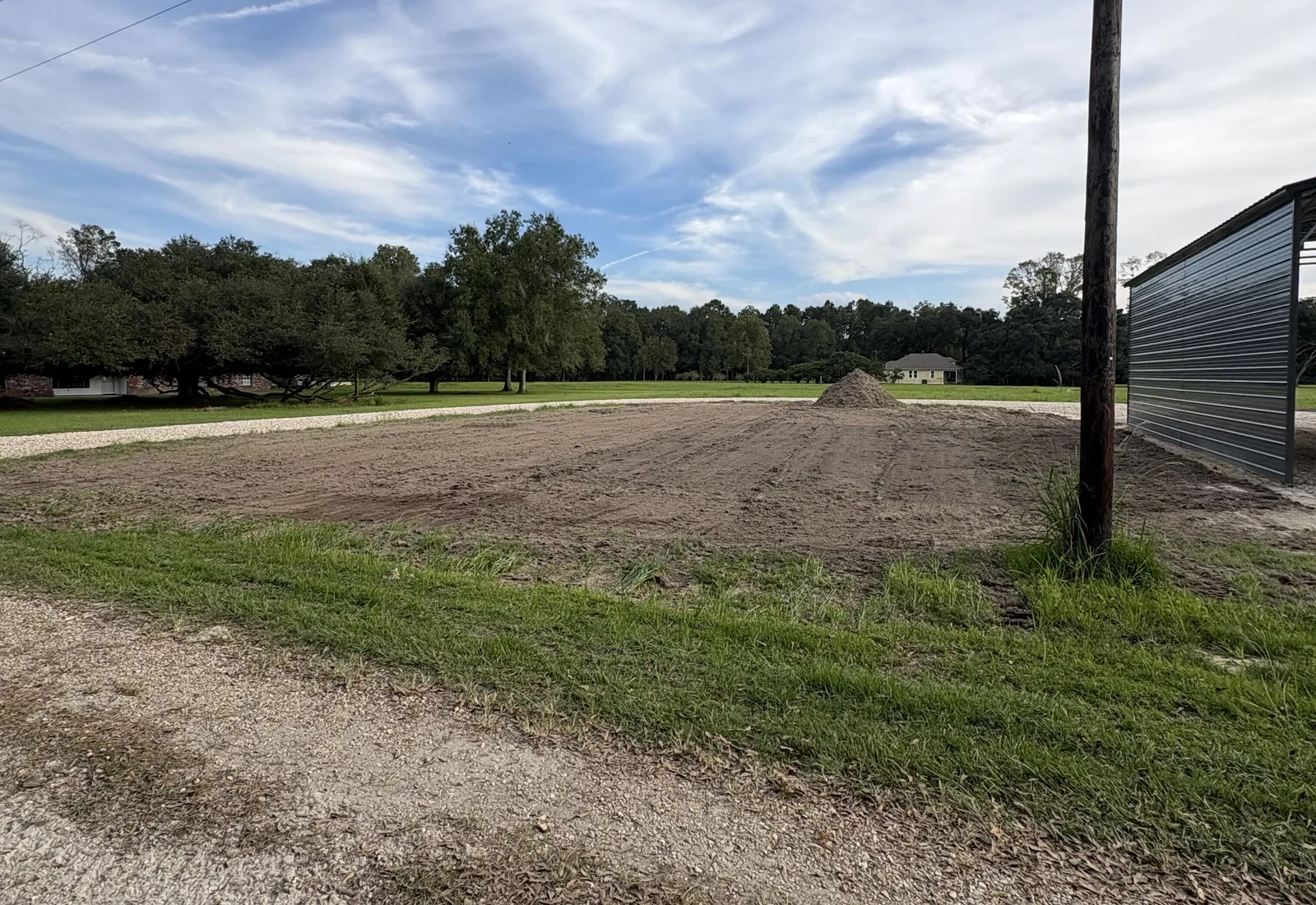
We sell fill dirt and haul it to your property. Loads get dumped where you want them, spread out, and packed down so the ground holds.
Learn More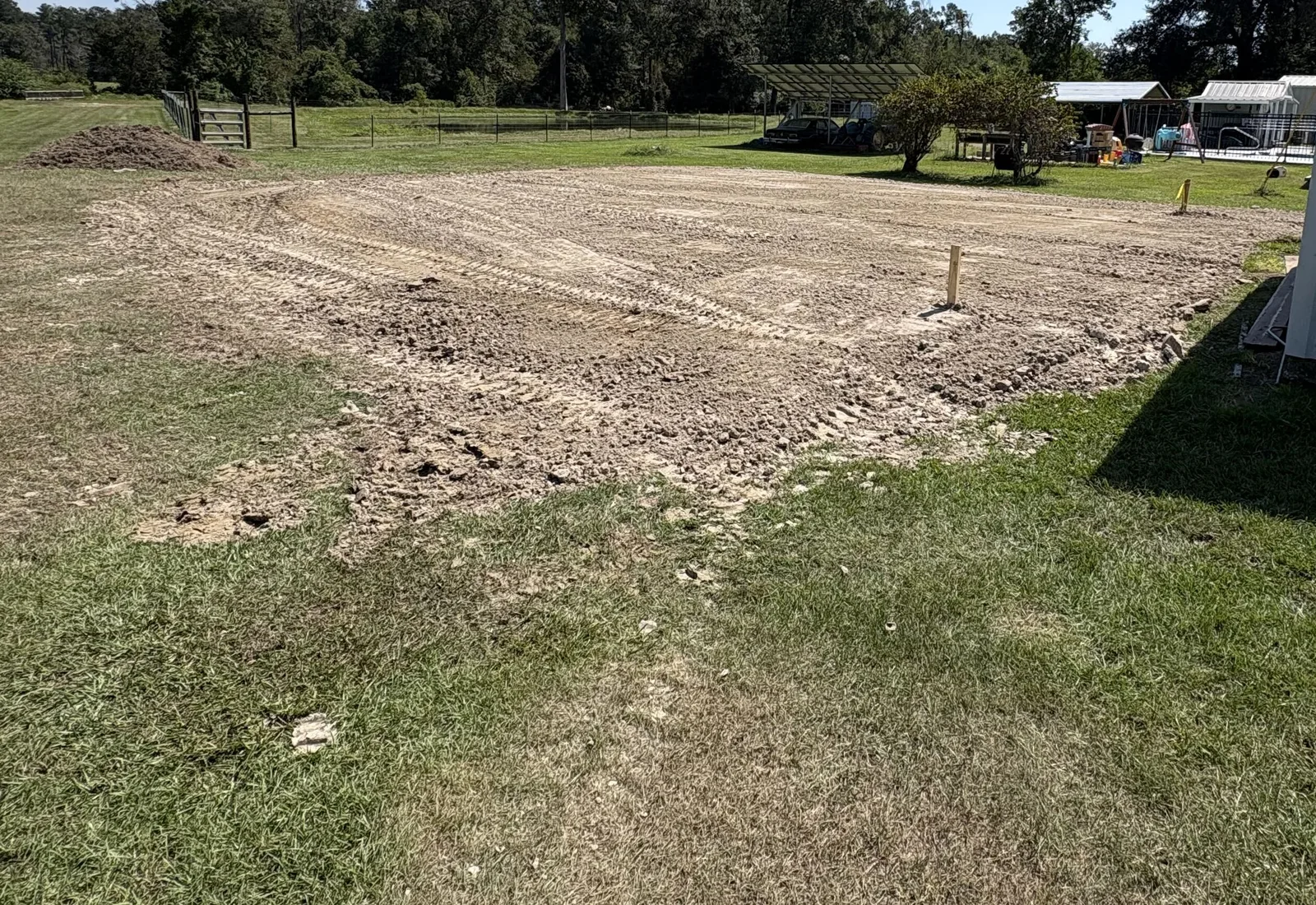
Land grading shapes your ground so water runs off it instead of standing on it. We handle yard leveling and lot grading within a 50 mile radius of Hammond.
Learn More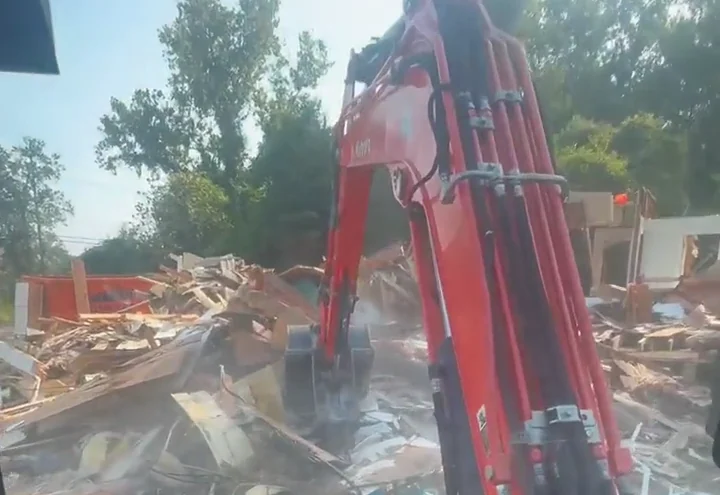
We tear down old mobile homes and manufactured homes on site and haul every piece off. Porches, skirting, piers, the steel frame and the axles all go, and the lot is left clean and rough graded.
Learn MoreNobody prices your job from behind a desk. We walk the ground, check the access and where the water goes, and price the work from what we see.
Send us the address and tell us what needs doing. We come look at the ground, then give you a price for the job. The estimate costs nothing.
We run out to Baton Rouge, Covington, New Orleans, and up into southern Mississippi. If your property sits inside 50 miles of Hammond, we can get a machine there.
We work house lots and job sites for builders and businesses. A backyard that holds water and a commercial pad both get the same machine time and the same attention.
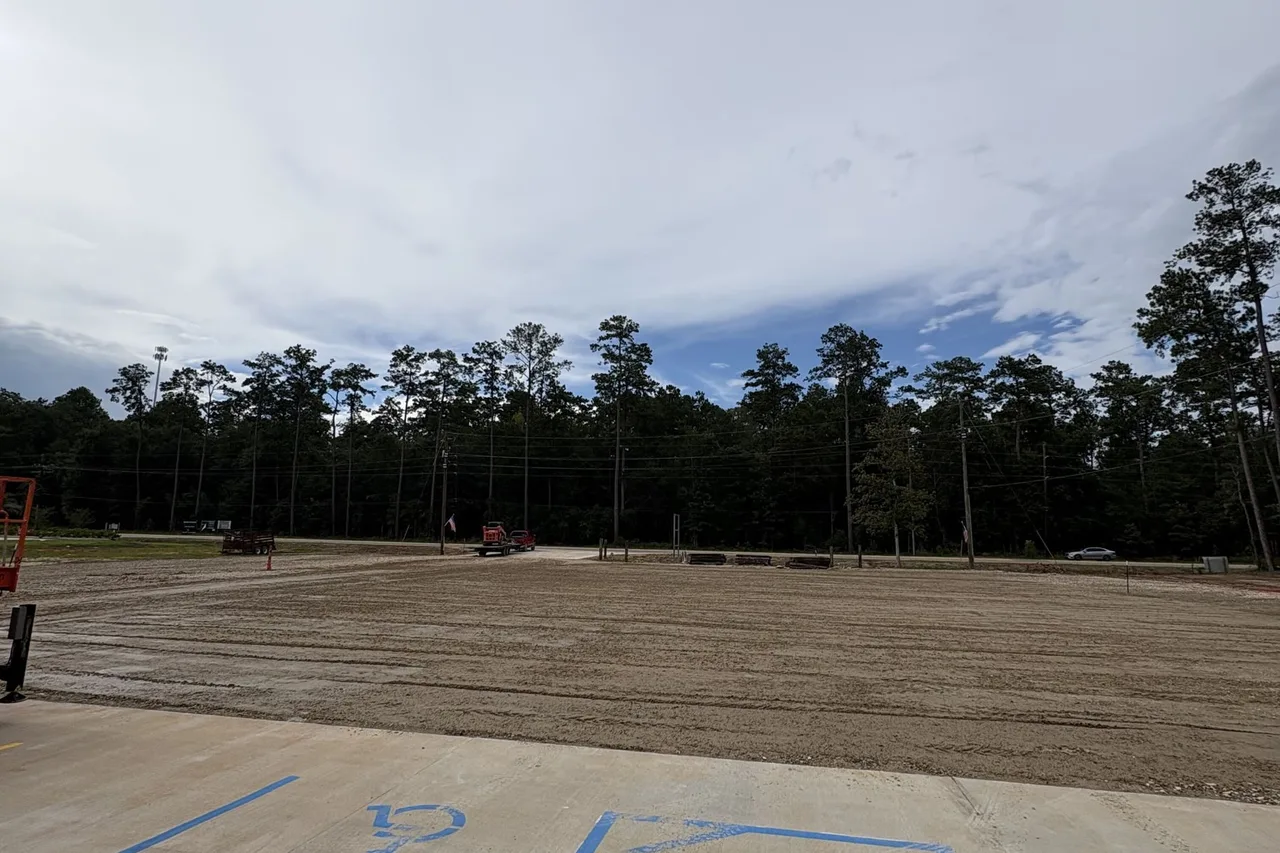
What a house pad costs in Louisiana in 2026: published ranges per cubic yard and per square foot, how many yards a pad takes, and the parish flood rules.
Read more →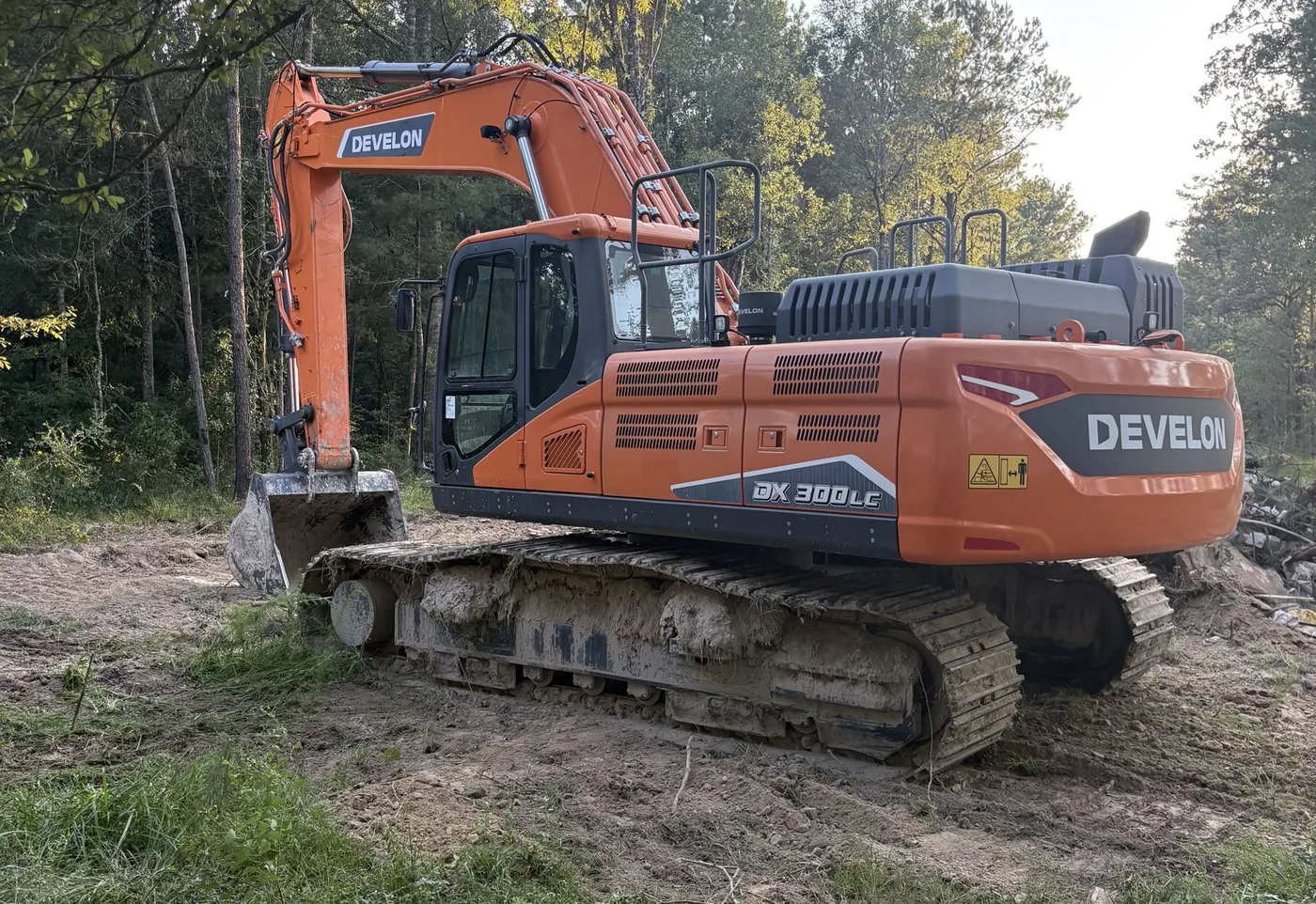
What excavation costs in Louisiana: published dirt work ranges per cubic yard, per hour and per job, plus machine rental, hauling and parish permit rules.
Read more →Call or text (985) 500-4145, or send the form and we will get back to you. Tell us the address and what the ground needs, and we will set up a free estimate.
Tell us about the job and the ground. We will get right back to you.